Cold Metal Casting: Create Bronze, Brass and Iron Effects Without Traditional Metal Casting
Want the appearance of solid bronze, brass or iron without the weight, cost and complexity of traditional foundry casting?
Cold metal casting is a proven technique that combines silicone molds, casting resins or Jesmonite systems, and real metal powders to create highly realistic metallic finishes. The result is a lightweight casting that can be polished, buffed and patinated to look and feel like genuine metal.
Whether you’re creating sculptures, props, museum replicas, architectural elements or decorative pieces, cold metal casting offers a fast and cost-effective way to achieve professional results. At FormX, you’ll find everything you need for the complete workflow, from mold making silicones and casting materials to metal powders, pigments and finishing products.
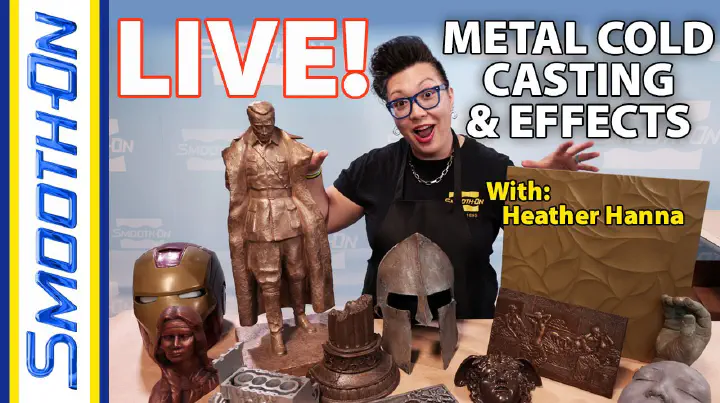
Watch the Process in Action
The Materials Used in This Project
Achieving a realistic cold cast bronze finish doesn’t require a large number of materials — just the right combination of products. In this project, we use a high-detail silicone mold, a durable casting resin, and real bronze powder to create a lightweight casting with the appearance and feel of solid metal.
The materials below have been selected for their ease of use, excellent detail reproduction, and professional results. Together, they provide a proven workflow for artists, sculptors, prop makers, model makers and anyone looking to create realistic metallic finishes without traditional foundry casting.
Products Used
- Mold Star™ 16 FAST – Platinum-cure silicone rubber for detailed mold making.
- ONYX™ Fast – Durable black polyurethane casting resin.
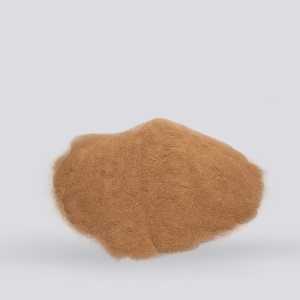
- Bronze Powder – Real metal powder for authentic cold cast bronze effects.
Mold Star™ 16 FAST
 ...
€ 20.94
Buy now
Smooth-Cast™ ONYX™
...
€ 20.94
Buy now
Smooth-Cast™ ONYX™
 ...
€ 27.78
Buy now
Bronze
...
€ 27.78
Buy now
Bronze
 ...
€ 46.53
Buy now
...
€ 46.53
Buy now
Cold metal casting combines traditional mold making techniques with real metal powders to create castings that look and feel like solid metal. The process is straightforward and requires only a few key materials.
- Make the Silicone Mold
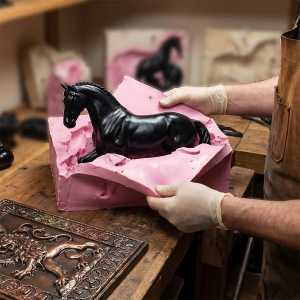
Start by creating a mold of your original model using Mold Star™ 16 FAST silicone rubber. The silicone captures fine details and textures while providing the flexibility needed for easy demolding and multiple reproductions.
- Apply Bronze Powder
Once the mold is cured, apply a thin layer of bronze powder to the mold surface using a soft brush. This creates a metal-rich outer layer that will become the visible surface of the finished casting.
- Cast the Resin
Mix and pour ONYX™ Fast casting resin into the prepared mold. As the resin cures, it bonds to the bronze powder, creating a strong, lightweight casting with a genuine metallic surface.
- Demold and Polish
After curing, remove the casting from the mold and gently sand or polish the surface. This exposes the bronze particles and transforms the casting from a matte appearance into a realistic metallic finish.
- Apply Patina
For an aged or antique appearance, apply a suitable bronze patina. Depending on the desired effect, the surface can be darkened, weathered or highlighted to replicate the look of naturally aged bronze.
The result is a lightweight casting with the appearance, texture and character of real metal—ideal for sculptures, props, decorative objects and display pieces.
Download PDF
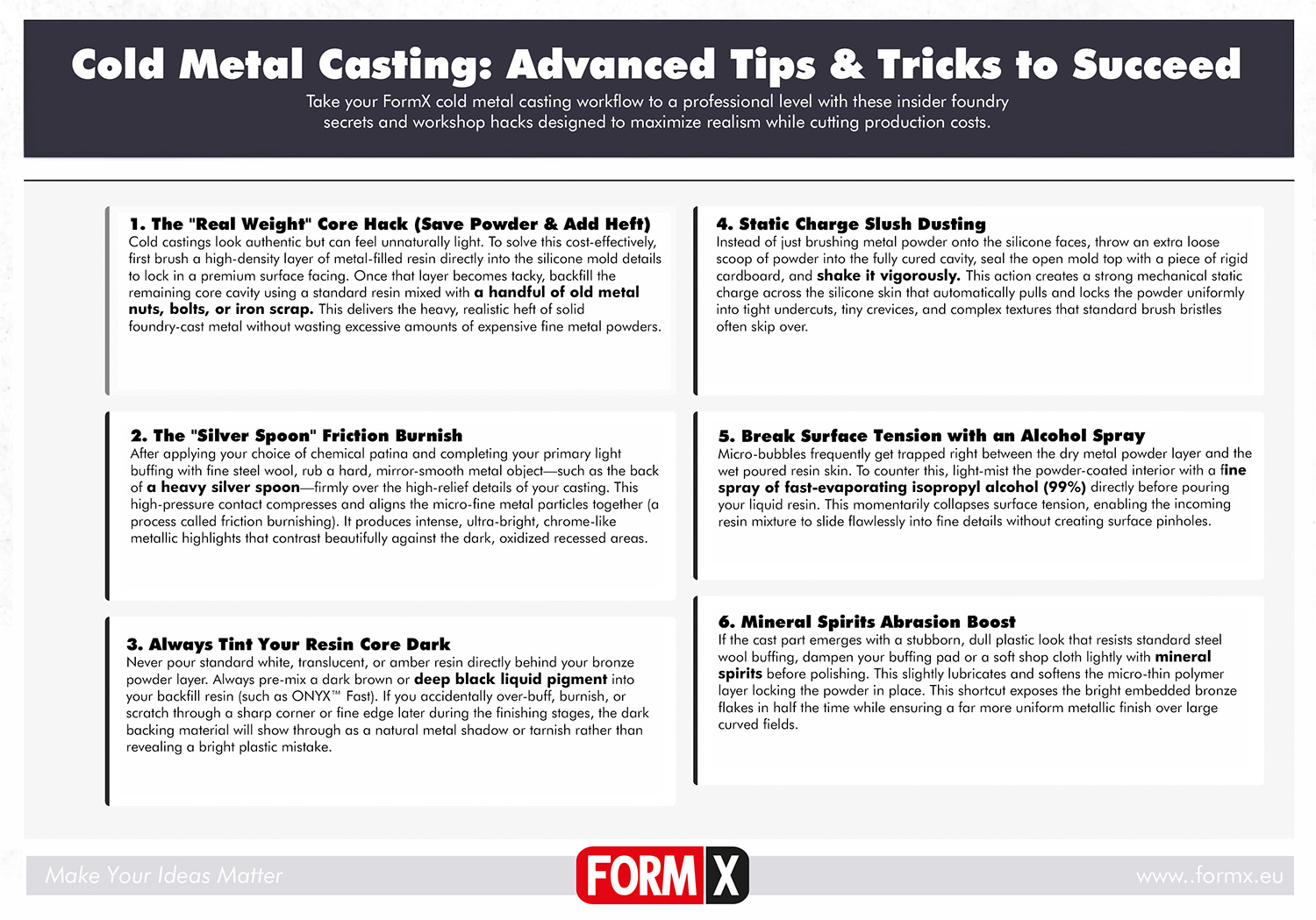
Advanced Tips & Tricks to Succeed
Take your FormX cold metal casting workflow to a professional level with these insider foundry secrets and workshop hacks designed to maximize realism while cutting production costs.
- The “Real Weight” Core Hack (Save Powder & Add Heft)
Cold castings look authentic but can feel unnaturally light. To solve this cost-effectively, first brush a high-density layer of metal-filled resin directly into the silicone mold details to lock in a premium surface facing. Once that layer becomes tacky, backfill the remaining core cavity using a standard resin mixed with a handful of old metal nuts, bolts, or iron scrap. This delivers the heavy, realistic heft of solid foundry-cast metal without wasting excessive amounts of expensive fine metal powders.
- The “Silver Spoon” Friction Burnish
After applying your choice of chemical patina and completing your primary light buffing with fine steel wool, rub a hard, mirror-smooth metal object—such as the back of a heavy silver spoon—firmly over the high-relief details of your casting. This high-pressure contact compresses and aligns the micro-fine metal particles together (a process called friction burnishing). It produces intense, ultra-bright, chrome-like metallic highlights that contrast beautifully against the dark, oxidized recessed areas.
- Always Tint Your Resin Core Dark
Never pour standard white, translucent, or amber resin directly behind your bronze powder layer. Always pre-mix a dark brown or deep black liquid pigment into your backfill resin (such as ONYX™ Fast). If you accidentally over-buff, burnish, or scratch through a sharp corner or fine edge later during the finishing stages, the dark backing material will show through as a natural metal shadow or tarnish rather than revealing a bright plastic mistake.
- Static Charge Slush Dusting
Instead of just brushing metal powder onto the silicone faces, throw an extra loose scoop of powder into the fully cured cavity, seal the open mold top with a piece of rigid cardboard, and shake it vigorously. This action creates a strong mechanical static charge across the silicone skin that automatically pulls and locks the powder uniformly into tight undercuts, tiny crevices, and complex textures that standard brush bristles often skip over.
- Break Surface Tension with an Alcohol Spray
Micro-bubbles frequently get trapped right between the dry metal powder layer and the wet poured resin skin. To counter this, light-mist the powder-coated interior with a fine spray of fast-evaporating isopropyl alcohol (99%) directly before pouring your liquid resin. This momentarily collapses surface tension, enabling the incoming resin mixture to slide flawlessly into fine details without creating surface pinholes.
- Mineral Spirits Abrasion Boost
If the cast part emerges with a stubborn, dull plastic look that resists standard steel wool buffing, dampen your buffing pad or a soft shop cloth lightly with mineral spirits before polishing. This slightly lubricates and softens the micro-thin polymer layer locking the powder in place. This shortcut exposes the bright embedded bronze flakes in half the time while ensuring a far more uniform metallic finish over large curved fields.
Cold Metal Casting: Advanced Tips & Tricks to Succeed